Crypto Security Tips: Best Practices to Keep Your Wallet & Digital Assets Safe
Enable two-factor authentication (2FA) on all accounts associated with your virtual coins. This layer of protection significantly reduces the risk of unauthorized access. Choose applications that generate time-based one-time passwords instead of SMS codes, which can be intercepted more easily.
Use hardware wallets to store the majority of your investments offline. These devices are immune to online threats, making them ideal for long-term storage. Ensure that your recovery phrase is stored securely and never shared with anyone.
Regularly update software related to your coin management. Install patches and upgrades immediately to close potential vulnerabilities. This habit helps eliminate known security flaws and enhances the protection of your holdings.
Be cautious with public Wi-Fi connections. Avoid accessing or managing your investments over unsecured networks, as they can expose you to hackers. Instead, use a virtual private network (VPN) to encrypt your data and maintain privacy.
Monitor your accounts frequently for any suspicious activity. Set alerts for transactions and changes to your holdings. Quick detection can prevent significant losses from unauthorized actions.
Choosing the Right Wallet for Your Needs
Select a wallet based on how frequently you trade and store digital funds. If you engage in daily transactions, a mobile wallet offers speed and convenience. Look for wallets with user-friendly interfaces and high security features, such as multi-factor authentication.
For long-term holdings, consider hardware wallets. These offline options provide robust protection against hacking and malware. Ensure you select a device that supports the specific tokens you plan to keep.
If you focus on decentralization, opt for a non-custodial wallet, where you maintain control of private keys. Assess the compatibility with various cryptocurrencies, as many wallets specialize in specific tokens or networks.
Review the community feedback and user ratings to verify reliability. Frequent updates and support channels are indicators of a trustworthy wallet. Prioritize wallets with a strong focus on security audits and transparency.
Utilize wallets that offer backup and recovery options. This ensures access to your funds in case of device loss or failure. Always keep a secure copy of your recovery phrase offline for added safety.
Implementing Two-Factor Authentication for Enhanced Security
Enable two-factor authentication (2FA) on all platforms that support it. This adds an additional layer of defense beyond the traditional password.
Steps to Set Up 2FA
- Access the security settings of your account.
- Select the option for two-factor authentication.
- Choose your preferred method: SMS, authenticator app, or hardware token.
- Follow the prompts to link your account with the selected method.
- Backup your recovery codes in a secure location.
Recommended Authentication Apps
- Google Authenticator
- Authy
- Microsoft Authenticator
Opt for an authenticator app over SMS for improved protection against potential interception. Regularly update your 2FA settings to maintain security.
Regularly Updating Your Software and Hardware
Install updates for operating systems, wallets, and antivirus programs as soon as they are available. These updates often include security patches that address vulnerabilities. Set systems to automatically update whenever possible to ensure you are always protected against the latest threats.
Regularly check for firmware updates on hardware wallets and other devices used for transactions. Firmware updates can enhance security features and improve device functionality. Always follow the manufacturer’s instructions for updating to avoid potential issues.
Remove obsolete software that no longer receives updates or support. This applies to applications that interact with your digital funds, as outdated software may have unpatched vulnerabilities that hackers can exploit.
Backup critical data before applying any updates. This ensures that you can restore your system quickly if an update causes unforeseen problems. Use multiple backup methods, including external drives and cloud solutions, to safeguard your information.
Consider using security-focused operating systems designed for cryptocurrency management. Such systems often come with built-in protections that are regularly maintained and updated by their developers. Transitioning can add an extra layer of defense against potential attacks.
Stay informed about recent security developments and updates in the crypto community. Engage in forums or follow trusted sources to learn about vulnerabilities and patches relevant to your chosen platforms and devices.
Securing Your Private Keys from Unauthorized Access
Utilize hardware wallets to store private keys offline, minimizing exposure to online threats. This method significantly reduces the risk of hacking or malware attacks since your keys are kept in a secure hardware environment.
Implement strong, unique passwords for wallet interfaces and ensure that two-factor authentication is activated where available. This adds an extra layer of verification before access is granted, deterring unauthorized attempts.
Regularly back up private keys and wallet information in multiple, secure locations. Consider using encrypted USB drives or safe deposit boxes to safeguard this information from physical theft.
Stay vigilant against phishing scams that seek to steal access credentials. Always verify the authenticity of communications relating to wallets and cryptocurrencies, particularly those prompting you to enter private information.
Utilize a password manager to generate and store complex passwords, making it harder for attackers to gain access through brute force methods. This adds a randomized element that enhances security.
Conduct regular security audits of your devices and software. Ensure all firmware is up-to-date and free from vulnerabilities that could be exploited to gain access to private keys.
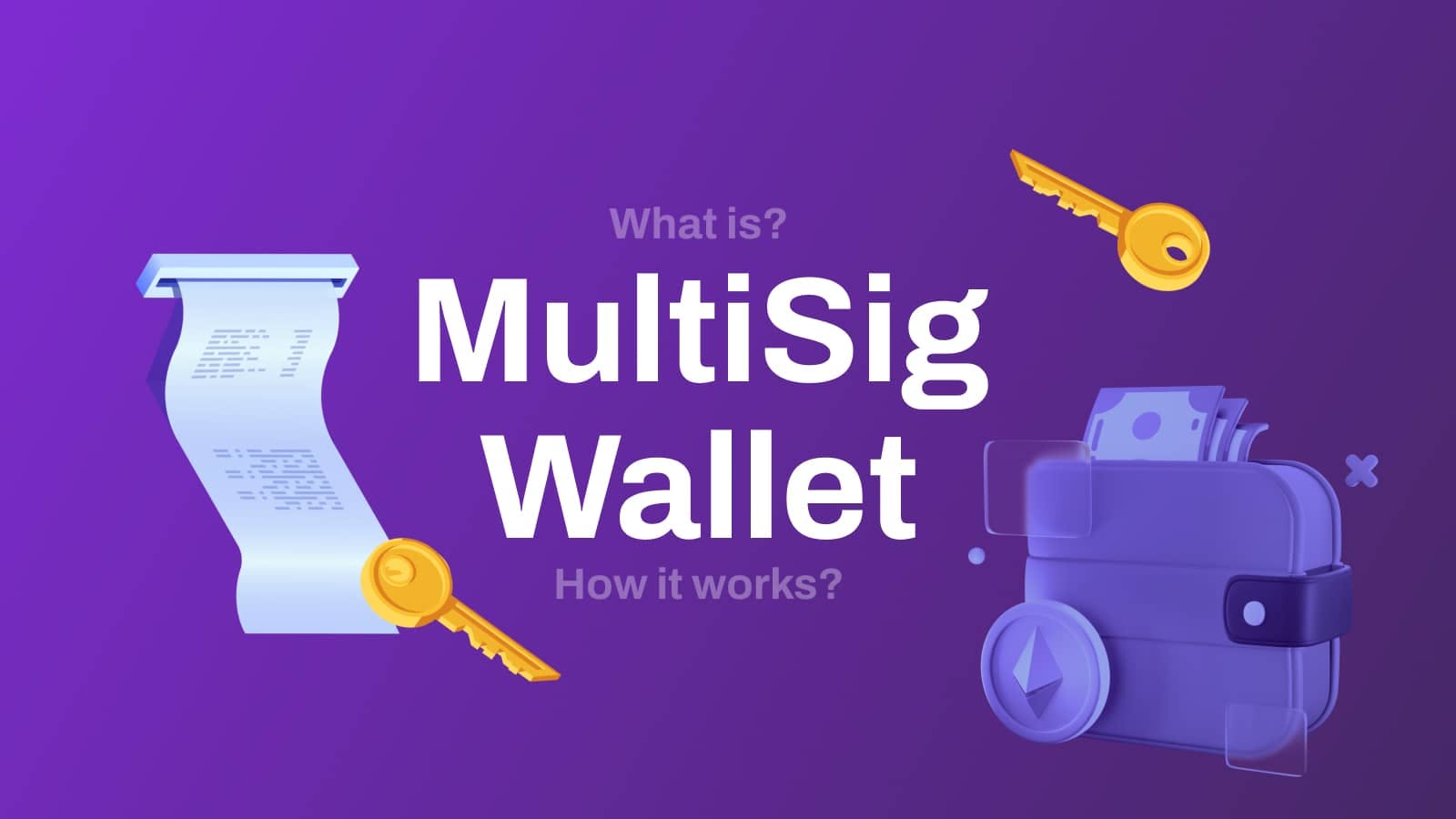
Consider using multi-signature wallets, which require multiple keys to authorize a transaction, creating an additional barrier against unauthorized access.
Educate yourself on the various types of scams and attacks targeting crypto holders. Awareness is a fundamental first step toward proactive security measures. Regularly review security protocols and make adjustments as needed to fortify defenses.
Establishing Safe Backup and Recovery Procedures
Create multiple copies of seed phrases and private keys. Store them in different physical locations. Avoid keeping all backups in a single place, which increases risk in case of theft or disaster.
Use high-quality, fireproof safes for storing physical backups. Consider using safe deposit boxes in banks for added security.
Implement a password manager to store important login details securely. Ensure that it has strong encryption and is regularly updated.
Test recovery procedures periodically. Simulate various scenarios to verify that backups can be restored without issues.
Utilize hardware wallets for storing significant amounts of virtual currency. These devices offer enhanced protection and are less susceptible to online threats.
| Type of Backup | Storage Method | Security Level |
|---|---|---|
| Seed Phrase | Paper Copy | Medium |
| Private Key | Hardware Wallet | High |
| Login Credentials | Password Manager | High |
| Seed Phrase | Safe Deposit Box | Very High |
Educate family or trusted individuals about the backup locations. Sharing this information will be helpful in case of emergencies.
Regularly review and update your backups to ensure they reflect any changes in your storage methods or accounts.
Being Aware of Phishing Scams and Social Engineering
Verify URLs before clicking; scammers often use domains that look similar to legitimate sites. Always type in web addresses manually and avoid links in unsolicited emails or messages.
Recognizing Phishing Attempts
Look for emails with poor grammar, generic greetings, or urgent calls to action. These are common signs of phishing attacks. Cross-check any unexpected correspondence by directly contacting the organization through verified channels.
Protecting Personal Information
Be cautious when sharing sensitive details, even with supposed experts. Real professionals will never ask for passwords or private keys through insecure means. Use out-of-band verification methods for any significant transactions or communication involving critical information.
Q&A: Crypto security tips
How do experts in 2026 describe the overall cryptocurrency security landscape, and why is an overview of crypto risks so important for everyday cryptocurrency users?
In 2026, security specialists say that anyone in the world of cryptocurrency needs at least a basic overview of crypto risks before they make their first trade or investment. The crypto market now holds trillions in crypto assets, so even small mistakes can be costly, and common cryptocurrency security problems like phishing, malware and fake support chats are a constant threat. Because cryptocurrency security incidents still happen at both exchanges and wallets, users are urged to learn about cryptocurrency security risks and common cryptocurrency security mistakes early so they can build habits that will protect your digital assets for years.
What kinds of different types of crypto wallets can people choose from in 2026, and how do the main types of crypto wallets affect wallet security?
In 2026, users typically pick between a hot wallet, a cold wallet, or a hybrid approach when deciding how to keep their coins in a crypto wallet. A hot wallet is usually a software wallet such as a desktop or mobile wallet or wallet app from a trusted wallet provider, while a cold wallet is kept offline and often used as a long-term vault. Because cryptocurrency exchanges or wallets that stay online face more attacks, security practices now focus on helping people understand how wallet software works, what type of crypto each wallet supports and how to balance convenience and wallet security across multiple devices.
How does using a strong password and modern authentication tools in 2026 add a critical layer of security to your wallets, exchanges and crypto accounts?
In 2026, security experts still repeat that a strong password is the first and cheapest layer of security by requiring attackers to overcome complex, unique credentials instead of simple phrases. Most platforms now add an additional layer of security such as app-based two-factor codes, hardware keys or biometrics to give users an extra layer of security on every crypto account and exchange login. When you follow best practices for crypto logins—unique passwords, password managers and strong security settings—you secure your wallet logins and secure your crypto so that a single leaked password cannot immediately steal your crypto from all your services.
Why do professionals in 2026 recommend using a cold wallet for long-term savings, and how does it help keep your crypto safe compared with always staying online?
In 2026, long-term investors are told that using a cold wallet is one of the most effective tips to keep your crypto safe because it keeps keys offline and away from internet-based attacks. Many people use a hardware wallet for significant amounts of cryptocurrency, sometimes storing backups in a safety deposit box so that fires, theft or device loss do not permanently cut off access to your crypto assets. This offline design makes a cold wallet feel more like a digital safe than a spending app, and when combined with written recovery phrases and careful backups, it can safeguard your crypto even if your online accounts are compromised.
How should people think about security when they use a crypto exchange or cryptocurrency exchange for daily crypto trading and payments in 2026?
In 2026, exchanges remain central to crypto trading, but they are also prime targets for security breaches, so users must treat every login and transfer carefully. Specialists advise that you never keep more than short-term balances on a crypto exchange, moving long-term holdings into your own wallets once trades settle, and always enabling all available security practices on each crypto account. Because every cryptocurrency exchange handles cryptocurrency transactions for millions of people, a single bug or attack can be a major threat to your crypto, so combining exchange security with personal crypto safety tips is now seen as standard practice.
What best practices to protect cryptocurrency investments are most important in 2026 for people with large crypto holdings and long-term crypto investments?
In 2026, anyone with meaningful crypto holdings is urged to treat wallet security as seriously as bank security, following best practices for securing both online and offline storage. Experts emphasise that crypto wallet security is really about habits: splitting large amounts of cryptocurrency across several wallets, using best security practices like offline backups, and keeping detailed records so you always know where your keys are. Guides on best practices to protect and secure your crypto wallet recommend regular security reviews, hardware upgrades and incident drills so that a mistake with one device does not endanger all your cryptocurrency investments at once.
How do common wallet security practices in 2026 help protect your crypto from the most frequent attacks that try to steal your crypto?
In 2026, wallet security practices focus on closing the simple gaps that attackers exploit, such as unencrypted backups, re-used passwords and installing unknown apps next to your wallet software. Experts recommend learning the best practices for crypto storage for each type of crypto you own, such as isolating high-value assets, verifying addresses manually, and never entering seed phrases into random websites. When you follow best security practices—checking URLs, locking down email accounts and limiting how often you access your wallet from shared machines—you greatly reduce the risk that one careless click will give criminals access to your wallet and allow them to steal your crypto.
How does splitting funds between a hot wallet for spending and a cold wallet for saving improve crypto wallet security in 2027?
In 2027, many cryptocurrency users hold only small, everyday balances in a hot wallet that is connected to the internet while keeping larger funds in a cold wallet that rarely, if ever, touches online systems. This separation means that even if a wallet app on your phone is compromised, only limited amounts of crypto are at risk, while the bulk of your assets stay offline. By understanding how different types of crypto wallets work and choosing a mix that fits your habits, you can secure your digital assets more effectively and keep your crypto safe without giving up day-to-day flexibility.
What safety tips do professionals in 2026 give to beginners who are just discovering the world of cryptocurrency and starting their first crypto wallet?
In 2026, educational guides for beginners in the world of cryptocurrency highlight simple but powerful crypto safety tips such as writing down seed phrases on paper, never sharing screenshots of keys and avoiding unsupported wallet downloads. New users are told to start with small amounts of crypto until they are confident, to test recovery procedures before storing larger amounts of crypto, and to practice safe device hygiene by updating operating systems and avoiding public Wi-Fi for financial logins. These safety tips, combined with a cautious approach to new services and a clear understanding of wallet security, help new investors protect your crypto while they learn how the technology works.
How might best practices for securing wallets evolve by 2030, and what role will layered protections play in keeping crypto safe as the crypto market grows?
By 2030, analysts expect that best practices for securing wallets will rely increasingly on layered protections that combine software checks, hardware keys and behavioural analytics to provide the best security for everyday users. Wallet providers are already experimenting with designs where secure your crypto wallet tools and secure your crypto features rely on multiple approvals for large withdrawals, adding an additional layer of security that feels natural rather than burdensome. As the range of crypto products expands and more people hold larger amounts of cryptocurrency, these layers of security will likely become the default way to protect your digital assets, giving ordinary users institutional-grade protection without requiring deep technical skills.