What is P2P Crypto Trading and Its Benefits for Investors and Traders
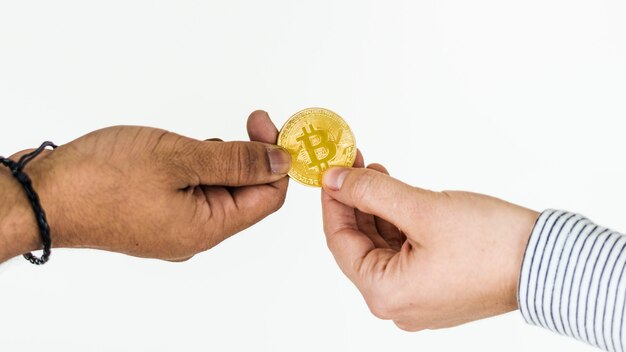
Opt for direct transactions with peers rather than relying on centralized platforms to enhance your asset management strategy. This approach reduces fees and increases control over the trading process, allowing for more flexible negotiation terms. By utilizing decentralized methods, participants can establish trust and anonymity while enabling quicker transactions.
Conduct thorough research on the protocols each peer uses. Security measures should take precedence; utilize platforms with strong encryption and multi-signature wallets to safeguard your investments. It’s advisable to check user reviews and ratings to ensure credibility before engaging in any exchange.
Explore diverse payment methods to optimize trading opportunities. Fiat options like bank transfers or digital wallets can facilitate a seamless experience. Additionally, aligning with various currencies may enhance profitability and reduce market exposure. Regularly monitor market trends and fluctuations to capitalize on potential gains during trading exchanges.
Establish clear communication with your trading partners to mitigate risks associated with misunderstandings. Use reliable messaging systems that can securely relay transactional details and agreements. Prompt communication can lead to successful trades and foster long-lasting relationships within the trading community.
Understanding the Basics of P2P Crypto Trading
Begin with selecting a reliable platform that allows direct transactions between users. Look for interfaces that provide escrow services; this feature ensures that funds remain secure until both parties confirm their agreement. Prioritize transparent fee structures to avoid unexpected costs during exchanges.
Before proceeding, thoroughly assess the credibility of your trading partner. Check their transaction history and user reviews to gauge reliability. Establish clear communication about the terms of the exchange, including payment methods and timelines. This collaborative dialogue helps mitigate misunderstandings.
Consider splitting large transactions into smaller ones. This approach reduces risk exposure and allows for easier management of funds. Be aware of local regulations concerning digital assets; compliance with these laws prevents legal complications. Additionally, use strong passwords and enable two-factor authentication on your accounts to enhance security.
Track market trends routinely. Regular monitoring of price fluctuations aids in making informed decisions. Utilize price alerts or notifications to stay updated on significant shifts that might affect your trading strategy. Finally, keep records of all transactions, including dates, amounts, and partners involved; these details are invaluable for future references or disputes.
Choosing the Right P2P Platform for Your Investments
Select a platform that prioritizes security; look for features like two-factor authentication, escrow services, and a solid reputation among users. User reviews and ratings are insightful, reflecting the experiences of those who have previously engaged with the platform.
Factors to Evaluate
Investigate the user interface for ease of use. A clear and intuitive design will facilitate transactions and enhance your experience. Analyze the fees; some platforms have hidden charges that can affect your profits. Look for platforms that provide transparent pricing.
| Feature | Importance | What to Look For |
|---|---|---|
| Security | High | Two-factor authentication, escrow services |
| User Experience | Medium | Intuitive design, navigation speed |
| Fees | Medium | Transparent pricing, no hidden costs |
| Customer Support | High | Availability, response times, help resources |
| Available Assets | Medium | Diverse trading options, trending currencies |
Payment Methods and Accessibility
Review the payment methods supported. A wider range of options facilitates quicker transactions. Accessibility is also key; confirm if the platform is compatible with your region and provides adequate support for local currencies.
Engage with the community surrounding the platform. Forums, social media, and user groups can provide tips and updates. A platform with an active community signals reliability and support.
Navigating the Risks Associated with P2P Crypto Transactions
Conduct due diligence on counterparties before initiating any exchange. Verify profiles, trade history, and community feedback to gauge reliability. Look for platforms with a solid reputation and active user base to minimize exposure to dishonest actors.
Utilize escrow services to safeguard funds during transactions. This mechanism protects both parties, ensuring that assets are only released upon the completion of agreed terms. Familiarize yourself with the escrow process offered by the chosen platform.
Be aware of the volatility in asset values. Prices can fluctuate dramatically between initiation and completion of a deal. Consider options such as setting fixed prices or utilizing time-sensitive offers to mitigate potential risks.
Stay informed about legal regulations in your jurisdiction. Different regions have varying laws governing asset transfers, which may expose you to legal repercussions. Consult legal experts if necessary to navigate compliance effectively.
Employ secure communication channels. Utilize encrypted messaging services to discuss transaction details, reducing the risk of interception. Avoid sharing sensitive information over unsecured platforms.
Limit the amount of currency involved in each exchange. Smaller transactions reduce overall risk and make it easier to identify potential issues without significant financial loss. Incremental trading helps build trust and experience over time.
Monitor market trends and news. Awareness of external factors, such as regulatory changes or technological developments, can help to assess the risks associated with specific assets and the broader trading environment.
Establish clear terms and conditions with the counterparty. Agree on payment methods, timelines, and potential penalties for non-compliance to avoid misunderstandings and disputes that could arise during the transaction process.
Utilize two-factor authentication for added security. This feature provides an additional layer of protection, reducing the likelihood of unauthorized access to your accounts and sensitive information.
Regularly review transaction history and remain vigilant for unusual patterns. Identifying discrepancies early can help prevent larger issues before they escalate into significant losses.
Engage with the community for guidance and sharing experiences. Participate in forums or social media platforms to connect with other users who can provide insights on best practices and red flags to watch out for when engaging in asset swaps.
Strategies for Successful Trading in P2P Markets
Establish strict criteria for evaluating counterparties. Verify identities through trusted verification processes to minimize fraud risk. Use platforms with established reputations to enhance safety.
Monitor market trends meticulously. Track price fluctuations and analyze transaction volumes to identify optimal buying and selling points, allowing for strategic entry and exit.
- Engage in regular communication with potential buyers and sellers. Open dialogue can help clarify terms and establish trust.
- Utilize escrow services to secure transactions. This protects both parties by holding assets until agreed conditions are fulfilled.
Set clear goals and limits for each transaction. Determine the desired profit margin and establish loss thresholds. This framework promotes disciplined decision-making.
Be aware of fluctuations in local regulations. Compliance with local laws can safeguard against legal issues and fines that can impact financial returns.
- Consider using a multi-signature wallet for added security on exchanges.
- Evaluate and choose stable currencies to mitigate volatility risks.
- Expand your network to include diverse trading partners who can offer competitive rates.
Review feedback and ratings from other users consistently. This community-driven assessment can provide insights into reliable trading partners and potential risks.
Stay updated on technological advancements that improve transaction security and efficiency. Embrace platforms that use innovative solutions to enhance user experience.
Deciding on the right time to transact requires a blend of analytical skills and instinct. Trust your research while remaining flexible to market shifts.
Evaluating Payment Methods for P2P Crypto Trading
Choose a payment option that ensures speed and security. Bank transfers offer reliability, while e-wallets provide quicker transactions. Assess transaction fees; some methods may impose higher costs, impacting profitability.
Consider regional restrictions affecting availability. Certain payment methods may not operate in specific jurisdictions. Verify whether the chosen method is widely accepted among users in your target markets.
Ensure that the payment method includes buyer protection measures. This can safeguard against potential fraud or non-delivery. Payment processors with such features can build trust in transactions.
Review the transaction limits imposed by different payment systems. Some may restrict the amount you can send or receive, limiting flexibility. Opt for methods that match your trading volume needs.
Monitor the adoption of various payment methods within trading platforms. Newer options may emerge, offering improved features or cost advantages. Stay informed to leverage better opportunities and mitigate risks associated with outdated options.
Ensuring Security and Privacy in P2P Trading Activities
Employ escrow services for transactions to mitigate fraud risks. This ensures funds are held securely until both parties fulfill their obligations.
Utilize two-factor authentication (2FA) to enhance account security. This adds an additional layer of protection against unauthorized access.
Prioritize platforms that offer robust encryption and data protection protocols. Assess their privacy policies to understand how your information is used and stored.
Engage in transactions only with verified users. Check for feedback and ratings from previous trades to evaluate their reliability.
Use Anonymous Payment Methods
Consider using payment methods that do not require personal information. Options like prepaid cards or cash transactions can help maintain privacy.
Be cautious with any sensitive data shared during the process. Avoid revealing unnecessary personal details in messages or during negotiations.
Maintain Good Practices
Keep software and devices updated to defend against vulnerabilities. Regular updates to your operating system and applications can prevent potential exploits.
Be aware of phishing attempts. Always verify the authenticity of links and emails before entering sensitive information or clicking through.
Stay informed about the latest security threats and adapt your practices accordingly. Regularly review and update your security measures to stay protected.
Q&A: What is P2P crypto trading
What is a p2p crypto exchange in 2026+ and how do peer-to-peer crypto exchanges differ from a centralized exchange in the crypto market?
A p2p crypto exchange is a cryptocurrency exchange model where users trade directly through a p2p network, rather than relying on a central authority like a centralized exchange. In 2026+, peer-to-peer crypto exchanges act more like a marketplace or p2p marketplace that matches buyers and sellers, which is why they are often described as unlike centralized exchanges in trading experience.
How does p2p trading work in 2026+ and what does p2p trading work mean for p2p transactions and transaction terms?
P2p trading work is based on listing trading offers, matching counterparties, and completing p2p transactions under agreed transaction terms such as price, time limits, and payment method. In 2026+, p2p platforms use escrow-style controls to make trading work smoother, but the user still coordinates settlement outside the exchange platform for many payment flows.
Why do crypto traders use crypto p2p trading in 2026+ and what are the benefits of p2p and advantages of p2p?
Crypto p2p trading can offer personalized trading, flexible deal sizes, and a range of payment options that traditional exchanges may not support. In 2026+, benefits of p2p and advantages of p2p include the ability to trade cryptocurrencies with lower trading fees, access niche liquidity in the world of p2p, and sometimes get better exchange rates.
What are the disadvantages of p2p in 2026+ and how does risk of fraud affect secure trading in a p2p marketplace?
Disadvantages of p2p include higher counterparty risk, slower settlement, and more manual coordination, which can reduce the overall trading experience compared with centralized crypto venues. In 2026+, the risk of fraud remains the biggest concern, so secure trading depends on escrow rules, reputation systems, and a secure trading environment provided by reputable p2p trading platforms.
How do p2p platforms often achieve lower trading fees in 2026+ and why do some platforms charge trading fees differently than traditional exchanges?
Many p2p platforms reduce costs by focusing on matching and dispute handling rather than full order-book infrastructure, which can lead to lower trading fees for users who want to trade. In 2026+, platforms may still charge trading fees, but they often apply them to ads, completed deals, or premium placement, unlike traditional exchanges that charge trading fees on every maker/taker fill.
How can users to trade bitcoin on a crypto exchange via peer-to-peer trading in 2026+ and what does buy and sell crypto look like?
To buy and sell crypto like bitcoin in a p2p exchange, users choose an offer, agree on exchange rates, and follow the platform’s escrow flow until both sides confirm completion. In 2026+, this way to trade lets people use crypto with flexible settlement methods, while the p2p exchanges allow direct exchange with specific counterparties.
What are types of p2p in 2026+ and how do trading pairs and various crypto listings shape p2p trading platforms?
Types of p2p include ad-based marketplaces, chat-negotiated deals, and hybrid systems that combine fixed quotes with negotiation, all under peer-to-peer trading logic. In 2026+, trading pairs and various crypto availability depend on local demand, so many p2p platforms focus on high-volume crypto assets while still enabling trade cryptocurrencies beyond the main coins.
How do crypto exchanges use p2p technology in 2026+ and why do p2p platforms allow trade directly while keeping some centralized controls?
Crypto exchanges use p2p technology to expand payment options and local liquidity without needing banking rails in every region, especially when traditional trading access is limited. In 2026+, p2p platforms allow users to trade directly, but they may still keep centralized controls like escrow, dispute resolution, and compliance checks to maintain a secure trading environment.
How does arbitrage trading work in 2026+ using crypto p2p and exchange rates across traditional exchanges and a p2p marketplace?
Arbitrage trading involves comparing exchange rates between a p2p marketplace and traditional exchanges, then buying where prices are cheaper and selling where prices are higher. In 2026+, traders and investors look for spreads driven by payment friction, local premiums, or liquidity gaps, but they must account for trading fees, settlement time, and counterparty risk.
How can a guide to p2p help someone start trading in 2026+ and what features of p2p trading should a beginner prioritize?
A guide to p2p should explain how trading refers to matching offers, verifying counterparties, and completing p2p transactions safely before scaling volume. In 2026+, beginners should prioritize features of p2p trading like escrow protection, verified profiles, clear dispute rules, and strong support, because p2p platforms often reward careful process more than speed when you want to trade crypto assets.