Guide to Utilizing the Lightning Network for Instant Transactions
To expedite your cryptocurrency exchange processes, integrating off-chain solutions offers tangible advantages. Consider leveraging second-layer solutions that allow for swift and cost-effective transactions, significantly reducing confirmation times compared to traditional on-chain methods.
Focus on establishing payment channels to facilitate quick transfers. These channels enable participants to transact without waiting for confirmations on the main blockchain, thus delivering instant settlements. This method proves beneficial for businesses requiring rapid transactions to enhance customer satisfaction.
Analyzing liquidity management within your chosen off-chain framework is essential. By ensuring sufficient liquidity, you can minimize transaction delays, allowing for seamless user experiences. Regular monitoring and adjustments to liquidity sources will keep operations running efficiently and swiftly.
Understanding the Basics of the Lightning Network
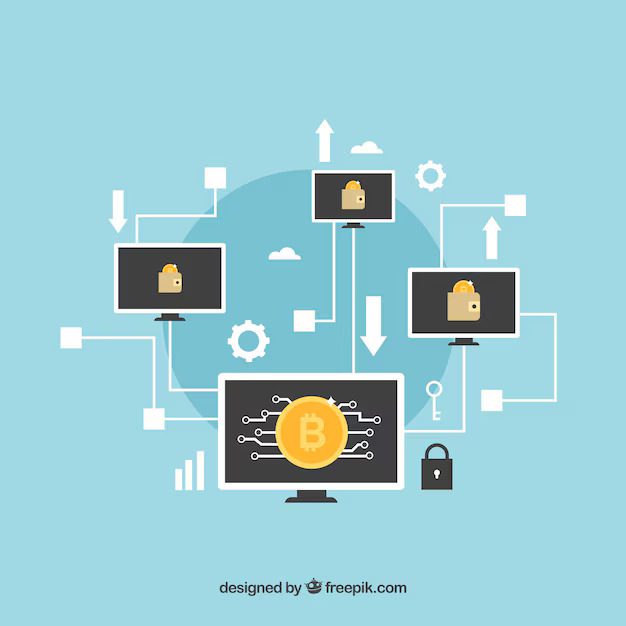
To facilitate quick exchanges, one key aspect involves the establishment of off-chain payment channels between users. This allows transactions without the need for every single one to be verified on the primary ledger. Connections created and maintained through these channels enable parties to execute numerous payments almost instantaneously, significantly reducing the burden on the blockchain.
Structure and Functionality
At its core, the system relies on multi-signature wallets that ensure security during transactions. Each participant in a channel holds a set of keys, which requires both parties to approve any changes to the balance. This architecture mitigates risks and supports privacy, as transaction details are not publicly recorded unless the channel is closed. When parties finalize their dealings, only the net result is posted, preserving the confidentiality of individual exchanges.
Utilizing routing technology aids in connecting various channels together, creating a decentralized network where payments can traverse through multiple nodes. This structure enables users to send funds to recipients even if they do not share a direct channel. The process enhances versatility, allowing micropayments and other transactions that might not be feasible on a congested primary ledger.
Benefits and Limitations
While enhancing speed and reducing costs, challenges such as limited liquidity in channels can arise. Users need to manage their funds carefully to avoid potential transaction failures. Understanding these parameters is crucial for those seeking to leverage this technology effectively for their needs.
Setting Up a Lightning Network Node
Choose compatible hardware and software for your setup. Raspberry Pi 4 or a dedicated server with at least 2 GB RAM is recommended for a smooth experience. Ensure your device runs a reliable operating system like Ubuntu or another Linux distribution. Stability and security are paramount, so avoid outdated systems.
Software Installation
Download and install a Lightning client that suits your needs. Popular options include LND, c-lightning, and Eclair. Each has its unique features; LND supports a wide range of platforms while c-lightning is lightweight and modular. Follow the official documentation for guidance on installation procedures specific to your chosen client.
Configuration Setup
Proper configuration is vital for optimal performance. Allocate sufficient storage for channels, typically starting with at least 10 GB. Edit configuration files to set parameters like port numbers and network mode (testnet or mainnet). Ensure your node is accessible by configuring firewalls and routing rules to allow incoming connections.
Funding your node is next. You’ll need to open channels with other nodes to participate in transactions. Use a wallet compatible with the selected software to transfer funds. Monitor your node’s status regularly to maintain connectivity and effective routing capabilities.
Stay updated by joining relevant communities and forums. Engaging with experienced users can provide insights into troubleshooting and optimization. Keeping your software and financial practices current will enhance your node’s reliability and overall effectiveness in the ecosystem.
Making Your First Lightning Network Transaction
Install a compatible wallet that supports payment channels. Conduct thorough research to select a reliable option, ensuring it is user-friendly and well-reviewed. Create an account and complete the setup process by securing your wallet with a strong password and backup phrases.
Funding Your Wallet
Acquire cryptocurrency to fund your wallet. This can involve purchasing through an exchange or receiving coins from another wallet. Once your balance is established, initiate a channel funding process, which typically requires setting aside a portion of your funds as collateral. This step is vital for enabling transactions through the channels.
Executing Your First Transfer
Select the recipient’s wallet address or scan their QR code for accuracy. Enter the desired amount to send and review transaction details carefully, confirming sufficient channel capacity. After confirming, submit the transfer. Monitor the progress in your wallet interface, and when completed, verify with the recipient that the funds have arrived without delay.
Comparing Transaction Fees: Lightning vs. On-Chain
When evaluating costs for sending digital currency, channels often discernable expenses between off-chain and on-chain options. Generally, off-chain options yield significantly lower fees, making them preferable for routine transactions or micro-payments.
Fee Structures
Transaction charges typically depend on network congestion. On-chain transactions might incur charges that fluctuate based on demand; during high activity, fees can rise dramatically. Conversely, alternative solutions often maintain relatively stable costs, usually measured in satoshis per byte, and are frequently less than one cent.
Cost Comparison
| Transaction Type | Average Fee | Typical Use Case |
|---|---|---|
| On-Chain | 0.50 – 5.00 USD | Larger transfers, periodic payments |
| Off-Chain | 0.01 – 0.50 USD | Micro-transactions, frequent trading |
For instance, during a high-traffic event, sending a sizeable amount might result in costs exceeding five dollars with on-chain methods. This pricing is a deterrent for many users, especially those making smaller transfers.
Additionally, some systems implement routing fees within channels, yet these costs often remain marginal compared to on-chain rates. The ability to aggregate multiple transactions can further reduce expenses in off-chain frameworks.
Long-term users should consider how often they conduct transactions. For those consistently engaging in transfers, integrating off-chain capabilities can mitigate costs significantly over time, safeguarding against volatile fee structures seen with on-chain methods.
In summary, opting for off-chain solutions generally presents a more economical pathway for frequent and smaller transactions, while on-chain methods could be reserved for larger, less frequent transfers where urgency demands immediate settlement.
Troubleshooting Common Issues in Lightning Transactions
Start by checking your node’s liquidity. Insufficient funds in a specific channel can lead to transaction failures or delays. If you encounter this issue, consider opening new channels or rebalancing existing ones. Tools like channel explorers can help visualize your channels and identify liquidity issues effectively. Refer to this resource for guidance on managing liquidity strategically.
Capacity Constraints
Transactions may be affected by capacity constraints of payment paths. If a route lacks enough capacity, it can result in your payment not being processed. When this happens, utilize different routing options or try splitting the payment into smaller amounts. This technique may allow the transactions to go through more easily by finding alternative pathways. For more tips on routing techniques, visit this page.
Connection Issues
Connection problems between nodes can impede transaction processing. If you are facing connection issues, verify that your node is online, and check firewall settings or network configurations. Restarting your node or using networking diagnostic tools can often resolve these connectivity problems. Additional information on troubleshooting network issues is available at this GitHub repository.
Future Developments and Improvements in the Lightning Network
Enhancements in transaction capacity and speed hinge on the adoption of multi-path payments. This technique allows individuals to split payments across various channels, thus mitigating the congestion in a single route and significantly reducing fees. As more users engage with this method, the overall throughput will benefit, leading to a more scalable solution anticipated by many within the cryptocurrency community.
In addition, advancements in cross-chain compatibility aim to facilitate smoother interactions among different cryptocurrencies. By developing protocols that support atomic swaps, users will have the freedom to exchange assets without reliance on centralized exchanges. Establishing robust documentation and developer tools will be crucial in fostering an environment where innovation thrives, driving further adoption and integration within the ecosystem. Regular updates to protocol standards can also enhance security measures, protecting user assets against potential vulnerabilities.
Q&A: How to use lightning network
What is lightning network explained for Bitcoin users in 2026?
Lightning network explained means a layer 2 solution for bitcoin that helps users send bitcoin faster and with a lower transaction fee. The bitcoin lightning network works off-chain through a payment channel, while opening and closing activity can still be recorded on the bitcoin blockchain.
How does lightning network work with a wallet in 2026?
Lightning network work depends on a lightning wallet, lightning node, and liquidity inside a lightning channel. A user can connect to the lightning network, receive payments, send and receive bitcoin, and use bitcoin for small payments without waiting for every transaction to settle on-chain.
What is the difference between on-chain and off-chain Bitcoin transactions in 2026?
On-chain bitcoin transactions are confirmed directly on the bitcoin blockchain, while lightning transactions happen off-chain between nodes in the network. This makes cheap bitcoin payments possible because the lightning network allows users to transact quickly before final settlement returns to the main bitcoin network.
How can beginners get started with the lightning network in 2026?
Beginners can get started with the lightning network by choosing a lightning-compatible wallet, creating or receiving a lightning invoice, and testing a small btc payment. Apps like wallet of satoshi, blue wallet, and other lightning wallet app options help bitcoin users access the lightning network more easily.
What is a lightning invoice and why is it needed in 2026?
A lightning invoice is a payment request used to receive funds through the lightning network. It tells the sender where to route a lightning payment, how many sats to pay, and how the routing should move through lightning network nodes.
What role does a node play in the Bitcoin lightning network in 2026?
A node helps form a network of payment channels and supports routing between users. A bitcoin node verifies the base bitcoin network, while a lightning node manages lightning network’s payment activity, liquidity, inbound liquidity, and channel status.
What is the difference between custodial lightning and a non-custodial lightning wallet in 2026?
Custodial lightning means a lightning service controls the wallet infrastructure for the user, while a non-custodial lightning wallet gives the user more control. A custodial lightning wallet may be easier for new users, but experienced crypto users often prefer stronger self-custody with a bitcoin wallet or hardware wallet.
Why is liquidity important for Lightning payments in 2026?
Liquidity is important because a lightning payment can only move if payment channels have enough capacity in the right direction. Inbound liquidity helps users receive payments, while network capacity affects how smoothly people can send and receive across the decentralized network.
Who created the Lightning Network and how is it used in 2026?
Joseph poon and thaddeus dryja proposed the idea, and teams such as lightning labs helped build tools around it; the phrase developed by lightning labs is often used in beginner materials. In 2026, users can use bitcoin lightning network features for retail payments, bitcoin payments, exchange withdrawals through services like coinbase, and everyday cryptocurrency transfers.
Why does the Lightning Network matter for Bitcoin adoption in 2026?
Lightning network makes bitcoin more practical because it improves speed, reduces fees, and supports more transactions per second for real use case scenarios. The lightning network uses smart contracts, ln routing, multi-sig wallet logic, and channel operations like open a channel or close the channel, making the lighting network a practical solution for bitcoin even when bitcoin price changes.